Buying guides
48-inch vs 54-inch vs 60-inch mower decks: which size suits your jobs?
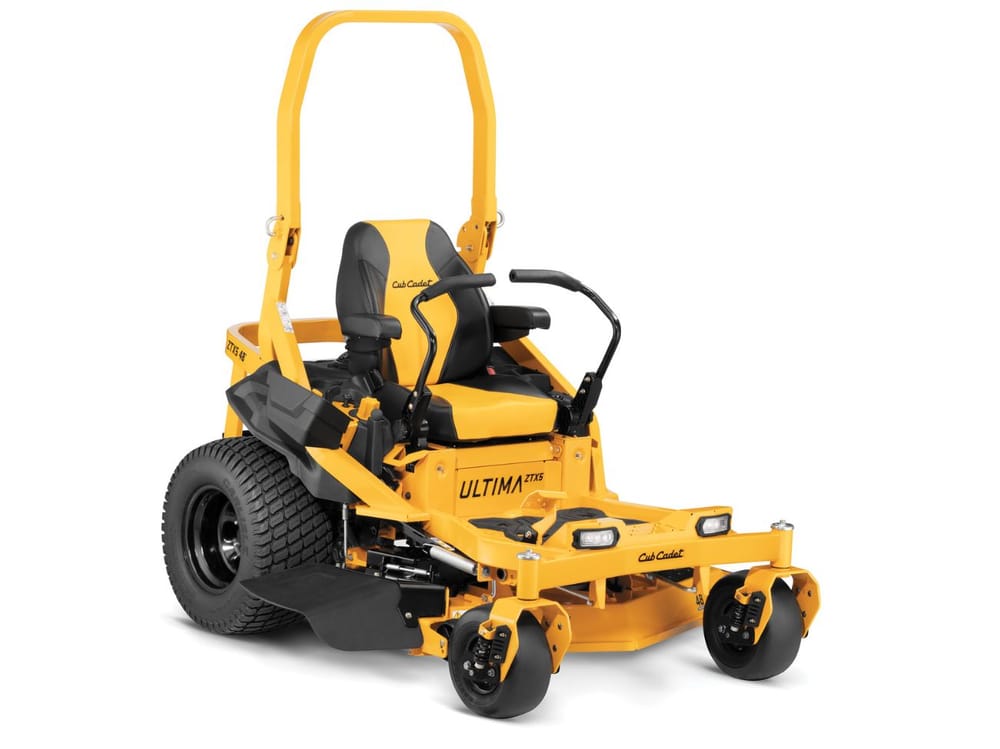
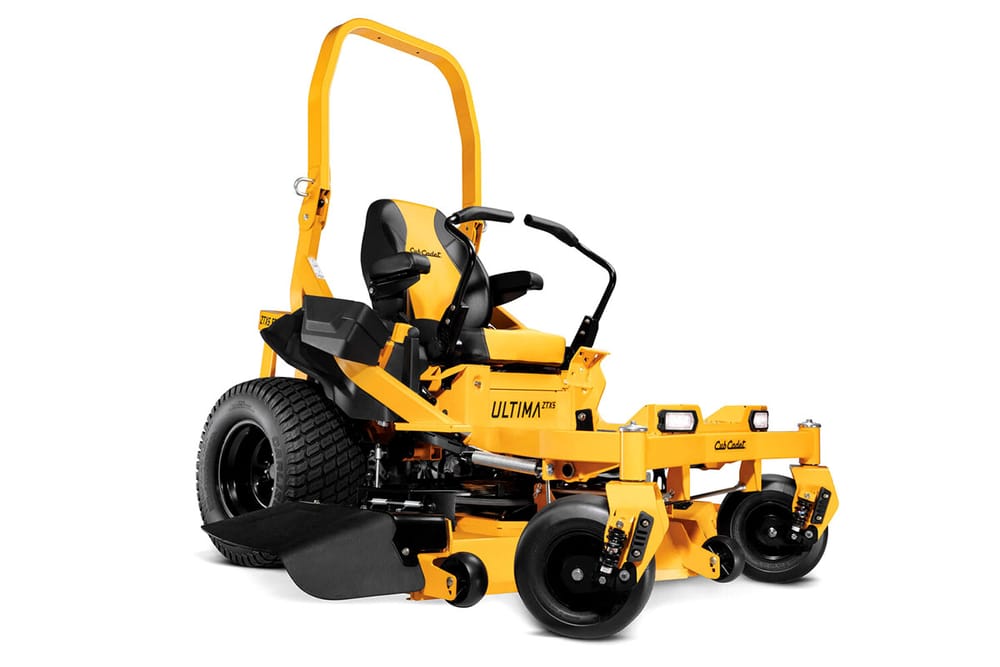
The inch figure is the nominal width of cut the deck is designed for. For gates, trailers and storage space, check the full machine width as well. How much land you mow is only part of the decision. The layout and exact mower model matter too.
| Cub Cadet model | Cutting width | Product width with chute up |
|---|---|---|
| ZTX5 48 | 48 in (122 cm) | 125 cm |
| ZTX5 54 | 54 in (137 cm) | 143 cm |
| ZTX5 60 | 60 in (152 cm) | 159 cm |
The metric cutting widths are rounded to the nearest centimetre from the deck sizes on the linked Cub Cadet product pages. Product widths come from those pages and assume the discharge chute is up. They apply to these ZTX5 models and this setup, so check the full specification for the mower you're considering.
Manufacturers don't all offer the same deck widths. Gravely Australia's Pro-Turn ZX range, for example, comes in 48-, 52- and 60-inch models.
Start with the tightest part of the job
If the route runs through narrow gates or side passages, or around trees, garden beds and frequent turns, start by checking 48-inch models. This size can suit a mowing business that handles open lawns as well as smaller, more detailed areas. On a large, open lawn, you'll make more passes than you would with a wider deck. Check the mower's full width against the gate before deciding.
A 54-inch deck sits between the 48 and 60. It may suit a larger lawn with some obstacles, as long as the mower fits through the access points and can turn comfortably. On open parts of the route, the extra cutting width may help. A 54-inch mower can still be too wide for one site and larger than needed on another. Measure the narrowest entry and turning space.
A 60-inch deck suits broad, open work if the mower can get to the site, turn, travel on the trailer and fit in storage. It may mean fewer passes on a large open area. The cutting width is 25% greater than a 48-inch deck, but the job won't necessarily take 25% less time. Turns, obstacles, overlap, trimming, terrain, grass conditions and operating speed all affect time on site. Tight sections can eat into the advantage of a wider deck.
Measure the route before you buy
- Measure the narrowest gate or passage. Include posts, hinges and latches.
- Look up the full width for the exact mower model. Check whether the figure assumes the discharge chute is up or down, and ask whether attachments change the width.
- Measure the usable width of your trailer and the space where you'll store the mower. Leave room to manoeuvre and secure it.
- Walk the mowing route. Note tight turns, trees, garden edges, uneven ground and sections that need trimming.
- If possible, ask for a demonstration on a representative area. See how the mower handles the whole route, not only an open patch.
Check the selected mower's operator manual before using it on slopes or uneven ground. Deck width doesn't change the terrain the mower is rated for.
Browse zero-turn mower listings on MyMowerMarket. Compare each mower's stated machine width and deck setup, then read its operator's manual before buying.